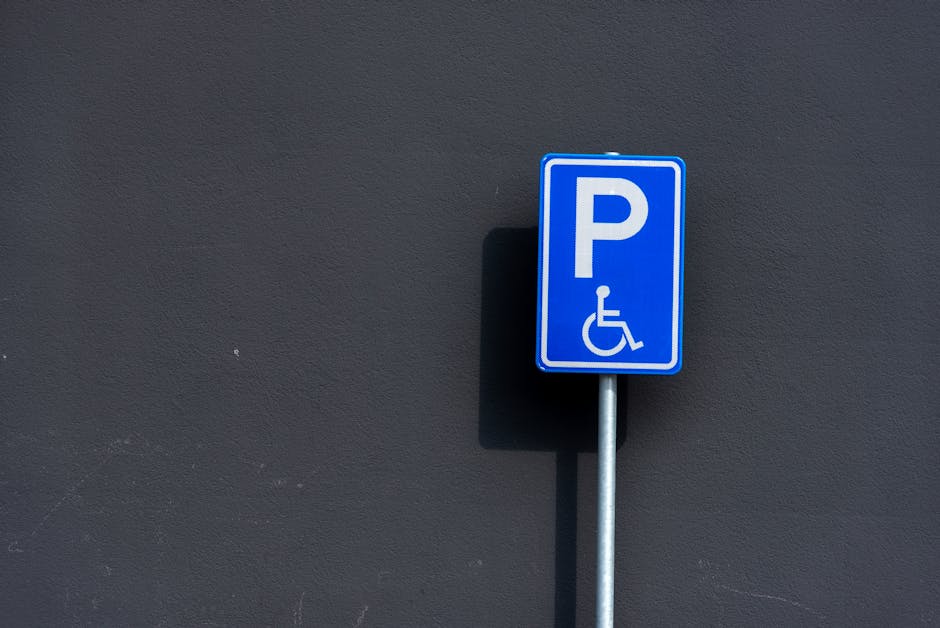
Parking permits Hounslow removals: what council requires
If you are planning a move in Hounslow, parking can become the thing that quietly causes the most stress. Boxes are stacked, the kettle is already packed, and then someone asks: do we need a permit for the van? That is exactly where understanding parking permits Hounslow removals what council requires makes life easier. The rules are not there to make moving harder; they are there to manage road space, keep traffic flowing, and reduce the chance of a big removal lorry getting a ticket right when you are trying to get settled.
This guide breaks the subject down in plain English. You will learn why permits matter, how the process usually works, what the council commonly expects, and the practical steps that can save you a lot of back-and-forth. We will also cover common mistakes, best practice, and a simple checklist you can use on move day. Honestly, it is one of those things that seems small until it goes wrong.
Why Parking permits Hounslow removals what council requires Matters
Parking and loading rules can affect almost every part of a house move or office move in Hounslow. If your removals van blocks a yellow line, sits in a restricted bay, or stops where loading is not allowed, you may end up with a penalty or a delayed move. That can be awkward at best and expensive at worst. And when the move has already taken all your patience, the last thing you need is a parking issue with a clipboard attached to it.
For removals, the key issue is not just whether a vehicle can stop outside a property. It is whether the stop is allowed for long enough, at the right time, and with the right permission if required. Council requirements can vary by street, bay type, permit zone, and time of day. In some places you may need a suspension or dispensation rather than a standard resident permit. In others, short loading may be acceptable but only under specific conditions.
That is why local planning matters. A move in a narrow terrace near busy roads is very different from a ground-floor flat with clear access. If you are using a service such as local removals or arranging help through man and van, the vehicle size, the street layout, and the duration of loading all shape what the council may require.
Expert summary: In most removals, the safest approach is to treat parking as a move-critical task, not an afterthought. Check the street, check the bay type, confirm whether a permit or suspension is needed, and build in a little slack. That small bit of admin can save the whole day.
How Parking permits Hounslow removals what council requires Works
The practical process usually starts with location. The exact parking arrangement outside your property matters more than the postcode alone. A standard permit bay, shared-use bay, controlled parking zone, single yellow line, or private road can each have different rules. For removals, councils often care about whether the vehicle is actively loading or unloading, how long it remains, and whether the vehicle causes an obstruction.
In plain terms, there are a few common scenarios:
- Short loading is allowed: the vehicle may stop briefly while items are moved, but the driver must stay with it and keep the stop genuinely related to loading.
- A permit is needed: some streets require a paid or temporary permit for any vehicle stopping in a restricted space.
- A bay suspension is needed: if the removal vehicle needs to use a bay that is normally reserved, the council may require advance notice and approval.
- No stopping is safest: if there is no legal stopping place nearby, the move may need extra planning, smaller vehicles, or more carry distance.
The council's expectations are usually practical rather than mysterious. They want to know who is parking, where, for how long, and whether the vehicle will block traffic or access. During a move, a clear booking plan helps. If you are also using packing services, the team may need more time on site than a simple curbside handover, which changes the parking picture quite a bit.
One useful distinction: a parking permit for residents is not always the same as a removals permit or loading exemption. People often mix these up. To be fair, councils do not always make the difference obvious either. That is why move planning should begin with the street, not the van.
Key Benefits and Practical Advantages
Getting parking sorted properly gives you more than just peace of mind. It improves the whole move, from arrival to final sweep-through. The benefits are straightforward, but very real.
- Less risk of fines or enforcement action: you avoid the stress of parking penalties during an already busy day.
- Faster loading and unloading: the crew can work efficiently when the vehicle is legally placed as close as possible.
- Better protection for belongings: shorter carry distances reduce the chance of knocks, scrapes, and dropped items.
- More accurate timing: if the permit or suspension is arranged in advance, the move schedule is easier to keep.
- Less disruption to neighbours: a considered parking plan is usually much calmer for everyone around the property.
There is also a hidden benefit: better communication. Once parking is discussed early, the rest of the move tends to feel more organised. That matters whether you are moving a family home, a shared flat, or a small office. In fact, customers often realise the parking plan forces them to think through access, lift use, and stair carry distances too. A useful side effect, really.
If your move also involves temporary storage, you may find it helpful to pair your parking plan with short-term storage or, for longer gaps, long-term storage. That way, you are not trying to unload everything in one frantic afternoon if access turns out to be tighter than expected.
Who This Is For and When It Makes Sense
This topic matters to more people than you might think. It is not only for large removals lorries or commercial operators. It applies to anyone who needs to park a vehicle near a property in a controlled street while moving items in or out.
- Home movers: especially if you live in a terraced street, a permit zone, or somewhere with limited kerb space.
- Flat movers: access can be tricky when there is no driveway and the lift is shared or small.
- Small removals customers: even a smaller van can still need permission to stop in the right spot.
- Businesses relocating offices: loading windows, bay use, and access for multiple trips often need coordination.
- Students: end-of-term or changeover periods can be particularly tight for parking and time.
If you are moving from a flat above a shop, a maisonette on a busy road, or a home close to a station or high street, council requirements become especially relevant. You may also need to think about how long the vehicle can stay and whether repeated trips are realistic. That is where a service like flat removals or small removals can be useful, because the move can be planned around access constraints rather than pretending they do not exist.
Sometimes the smartest move is to reduce what needs to go on the van in the first place. If you have bulky furniture that will not be needed immediately, a nearby storage option such as furniture storage can take pressure off move day and make parking less time-sensitive.
Step-by-Step Guidance
Here is a simple way to handle parking requirements without turning the move into a project management exam.
- Check the street outside both properties. Look for permit bays, yellow lines, loading restrictions, or signs that limit parking by time.
- Measure the practical access. Not just the road width, but whether a van can safely stop without blocking a junction, crossing, or driveway.
- Ask the removals team what vehicle they will use. A larger van may need more space than you expect. This detail changes everything.
- Find out whether the council needs advance notice. Some parking arrangements can be dealt with quickly; others need more lead time.
- Decide whether you need a permit, a bay suspension, or just loading time. Do not assume one is the same as the other.
- Build in a buffer. If the move starts at 9am, assume the first 20 minutes may disappear to parking checks, neighbours, or access adjustments.
- Confirm the plan the day before. A final check reduces the chance of a misunderstanding on the morning itself.
A good removals plan often includes more than parking. For example, if your belongings are being staged over a couple of days, mobile self storage can make it easier to load and unload without rushing. And for office moves, parking and timing should be aligned with business hours, building access, and any reception rules. For that, office removals usually need more scheduling discipline than people first expect.
If you are using a provider that offers removals and storage, ask how they handle loading windows and access planning. That kind of question often reveals how experienced they really are. A company that thinks about parking early is usually a company that thinks about the whole job properly.
Expert Tips for Better Results
These are the small things that make a big difference in the real world.
- Photograph the street signs and bay markings a few days before the move. Handy if someone later disputes what was visible.
- Keep one person free to manage access. On move day, someone always needs to answer the door, direct the van, and keep an eye on what is happening outside.
- Choose the simplest access route. If one entrance is legally awkward and another is slower but easier, slower may actually be better.
- Plan for rain. Hounslow weather, as ever, can be a bit of a plot twist. Wet boxes and slippery paths make loading slower, so parking near the entrance becomes even more valuable.
- Think about neighbours. Letting people know roughly when the van will arrive can reduce friction, especially in tight streets.
Another useful tip is to match parking planning with packing quality. If boxes are labelled well and fragile items are packed properly, the team spends less time hesitating on the pavement. That sounds minor, but it really does speed things up. Better packing, less faff, fewer trips. Everyone wins.
And if you are decluttering beforehand, remember that not everything needs to travel with you on the van. Some items are perfect for secure storage, particularly if you are between homes or waiting for renovation work to finish.
Common Mistakes to Avoid
Most parking problems happen because somebody assumes the street is fine until the van appears. That assumption is the enemy here.
- Leaving parking checks until the last minute. By then, any permit or suspension may be too late to arrange.
- Assuming a permit zone allows removals parking automatically. It often does not.
- Forgetting the return trip. If the van needs to come back after a first load, the space may not still be available.
- Not accounting for shared access. Flats, mews properties, and mixed-use streets can have awkward constraints.
- Using the wrong vehicle size. A too-large van can create more parking issues than it solves.
- Failing to coordinate with the building or neighbours. A blocked entrance can become a bigger issue than the road itself.
There is also a subtle mistake people make: they focus on the permit and forget the whole move flow. For example, if you need to store items for a bit before final delivery, using self storage can avoid a rushed second unload later. That kind of planning is boring in the best possible way.
One more thing. Do not assume every street near your property is equally suitable. Sometimes the nearest legal parking is a little further away, and that can change the duration of loading far more than expected. The van may be close enough to see, but not close enough to save time. Annoying, yes. Common, absolutely.
Tools, Resources and Recommendations
You do not need fancy software to manage this properly, but a few simple tools help a lot.
- Street photos: useful for confirming signs and access points.
- Checklist on paper or phone: helps you track permit status, timings, and contact numbers.
- Floor plan or room list: especially useful for larger homes and office moves.
- Labelled boxes: reduces van loading time and helps avoid repeat trips.
- Storage option: useful if the property is not ready or if parking is too tight for a full same-day unload.
For practical planning, many people also review service pages such as house removals, removals, and packing services so they can match the right help to the type of move. If you are moving an office or a home with bulky archive boxes, you may also want to look at document storage or office storage if not everything needs to be moved immediately.
A practical recommendation: choose solutions that reduce pressure on the kerbside. If less stuff is going on and off the van at once, the parking issue becomes easier to manage. Simple, but effective.
Law, Compliance, Standards, or Best Practice
Parking during removals sits at the intersection of road rules, local authority controls, and sensible operational planning. In the UK, councils generally expect drivers to comply with local parking restrictions, loading rules, and any permit conditions that apply to the street. The exact requirement depends on the location and the type of space being used.
Best practice is to treat council requirements as something to confirm, not guess. That means checking whether the road is inside a controlled parking zone, whether waiting or loading is permitted, whether a permit is required for the exact vehicle type, and whether any bay suspension or dispensation must be arranged in advance. If the street is private or managed by an estate, there may also be separate rules from the landowner or managing agent. A bit messy, but that is the reality of urban moving.
From an operational point of view, removals teams should also work in a way that keeps people safe. That includes clear communication, avoiding blocked exits, and using loading practices that do not put pedestrians at risk. If you want a sense of the company's broader approach, it can help to review pages like health and safety policy, insurance and safety, and terms and conditions. Those pages are not a substitute for parking checks, of course, but they do show how a provider thinks about risk and responsibility.
It is also reasonable to consider data handling and payment security when booking services online. If you are sharing personal details or paying deposits, it is worth understanding a provider's payment and security approach and privacy policy. Trust is not only about turning up on time; it is about handling the whole job properly.
Options, Methods, or Comparison Table
There are a few ways to handle removals parking in Hounslow. The right choice depends on the street, the size of the move, and how much time you have.
| Option | Best for | Pros | Watch out for |
|---|---|---|---|
| Short loading only | Small moves, easy access streets | Simple and quick if restrictions allow it | Not suitable where stopping rules are strict |
| Temporary permit or dispensation | Controlled streets with limited stopping space | Can make loading much easier and safer | May need advance arrangement and correct details |
| Bay suspension | Longer moves or tight urban roads | Creates reserved space near the property | Usually needs more lead time and planning |
| Smaller vehicle / split loads | Narrow streets or limited curb access | More flexible, often easier to position | May take more trips overall |
| Storage-first move | Phased relocations and awkward access | Reduces pressure on a single move day | Needs extra coordination and timing |
For many households, the best option is not the one that sounds most efficient on paper. It is the one that fits the street and the timing. If you are moving out of a cramped flat, a split-load approach with household storage in the middle can be far less stressful than trying to make one van load do everything at once.
Case Study or Real-World Example
Imagine a family moving from a first-floor flat in a busy Hounslow side street into a house a few miles away. The road outside the flat has limited waiting space and regular traffic. There is also a permit bay nearby, but it is usually busy. If the team simply turns up and hopes for the best, loading can stall within minutes.
Instead, the move is planned around the parking reality. The smaller items are packed the day before. A friend helps keep the hallway clear. The removals vehicle arrives at a time when loading is likely to be easier. Two larger pieces of furniture are sent into furniture storage because the new house is not ready for them yet. That means the van can park, load, and leave with less pressure, and nobody is trying to squeeze a wardrobe through a badly timed gap in traffic.
By the time the last box is carried in, the difference is obvious: fewer delays, fewer arguments, and a much calmer mood overall. Not glamorous, maybe. But very effective. The family still had the usual moving-day chaos, of course, because that is basically part of the hobby. Yet the parking side was under control, and that made everything else easier.
Practical Checklist
Use this before move day.
- Confirm the exact street and access point for both properties.
- Check whether the road has permit bays, yellow lines, or loading restrictions.
- Ask whether the council needs advance notice for any parking arrangement.
- Verify the size and type of removals vehicle being used.
- Decide whether you need a permit, dispensation, or bay suspension.
- Keep a copy of booking details, timings, and contact information.
- Notify neighbours or building management if access may be disrupted.
- Label boxes so loading is quick and orderly.
- Plan for rain, traffic, and small delays. They happen.
- Have a backup plan if the first parking spot is unusable.
If you are not sure whether everything will fit on one run, consider staggered delivery with short-term storage or a more flexible removals plan. Small adjustments like that can prevent a lot of pressure at the kerbside.
Get a free quote today and see how much you can save.
Conclusion
Parking permits for removals in Hounslow are not just admin. They shape timing, access, safety, and the smoothness of the entire move. Once you understand what the council requires, the whole process becomes much less mysterious. Check the street, confirm the loading rules, match the vehicle to the space, and allow enough time for the real-world bits that always appear on moving day.
The best removals are not the ones that look perfect on paper. They are the ones where the practical details were handled early, calmly, and with a bit of care. Parking is one of those details. Get it right, and everything else has more room to breathe.
Take your time with the planning. It really does make the day feel lighter.
Frequently Asked Questions
Do I need a parking permit for removals in Hounslow?
Sometimes, yes. It depends on the exact street, the parking controls in place, the vehicle size, and whether the van is only loading or needs to stay for longer. Always check the local restrictions before move day.
Is a loading exemption the same as a parking permit?
No, not usually. A loading exemption or loading allowance may let a vehicle stop briefly for active loading, while a permit may allow longer or more formal access to a restricted space. They serve different purposes.
How far in advance should I sort out parking for a move?
As early as you can. Some arrangements are straightforward, but others need notice. If you are unsure, do the parking check as soon as the moving date is fixed. Leaving it until the week before can be a bit tight.
What happens if the van parks in the wrong place?
The move may be delayed, and there may be enforcement action or a fine. More importantly, the crew may have to carry items further than planned, which slows everything down and adds stress.
Can a removals company arrange the permit for me?
Some can help guide the process or handle parking planning as part of the move, but you should always confirm exactly what they will do and what information they need from you. The property details still matter a lot.
Do flat moves need special parking planning more often?
Usually, yes. Flats often have limited access, shared entrances, or restricted roads nearby. That makes parking and timing more important than in a house with a driveway.
What if my street has no obvious place for the van?
You may need a smaller vehicle, split loads, a parking suspension, or storage to reduce the amount moved in one go. It is better to build around the street than to fight it.
Are office removals treated differently from home removals?
They can be. Office moves often involve more coordination, stricter timing, and building rules. Parking access may need to line up with reception, loading bays, or management permissions.
Can I use storage if parking is too difficult on move day?
Yes, and in some cases it is the smartest option. Storage gives you breathing space if access is awkward or if the new property is not ready for everything at once.
What should I tell the removals team about parking?
Tell them the street name, any restrictions, the nearest legal stopping place, the kind of bays or lines outside, and whether there are access issues such as narrow entrances or height limits. The more precise you are, the smoother it usually goes.
Is it worth checking both the old and new addresses?
Absolutely. People often focus on the address they are leaving and forget the one they are arriving at. Both ends matter, and one awkward street can throw the timing off for the whole day.
What is the simplest way to avoid parking problems altogether?
Plan early, keep the load manageable, use the right vehicle, and if needed, reduce pressure with storage or a phased move. That is the honest answer. Not flashy, but it works.
For more general moving support, you can also explore removals and storage if your move needs a flexible setup, or about us to understand the team behind the service. When you are ready, you can also review pricing and quotes to plan the job in a way that suits your budget and your timeline.
Move day has enough surprises already. If the parking side is calmly handled, that is one less thing to worry about, and sometimes that is the difference between a chaotic morning and a decent one.