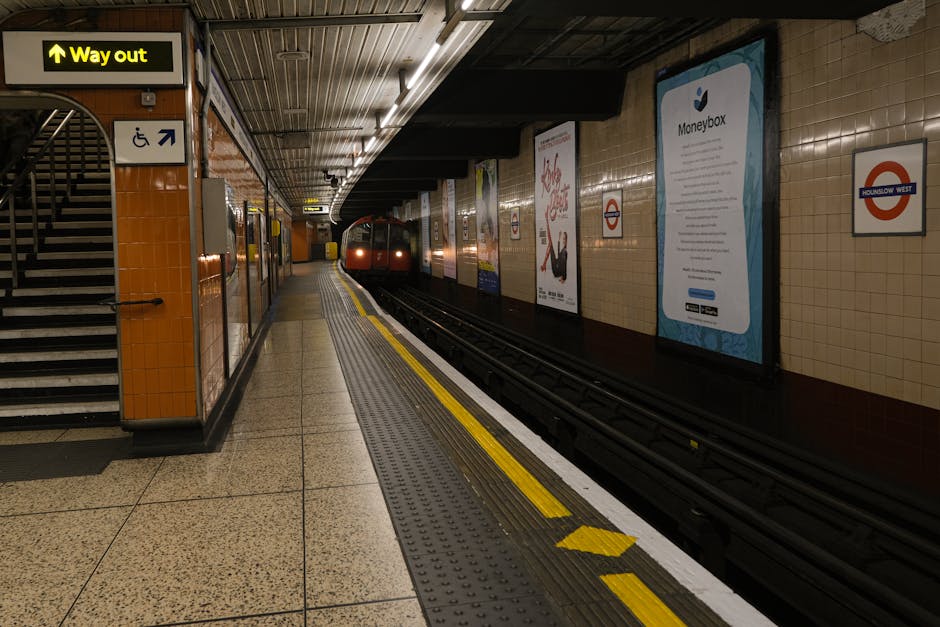
Hounslow West station removals best time and access tips
If you are planning a move near Hounslow West station, the timing and access side of the job can make or break the day. A removal that looks simple on paper can become awkward fast if you hit school-run traffic, a tight roadside space, or a lift that is busy just when you need it most. That is why Hounslow West station removals best time and access tips matter so much: they help you avoid the usual headaches and keep the move calm, efficient, and far less stressful.
This guide walks you through the best times to move, how access around the station area tends to affect loading, what to check before the van arrives, and how to plan for the little surprises that always seem to appear. Truth be told, the smoothest moves are usually the ones people spend a bit of time preparing for.
Why Hounslow West station removals best time and access tips Matters
Moving near a busy transport hub is a bit different from moving on a quiet residential street. Around Hounslow West station, the day-to-day rhythm matters. Early commuters, buses, delivery vehicles, local school traffic, and the general stop-start pace of London roads can all affect how quickly a van can load and unload.
The best time is not just about what is convenient for the person moving. It is also about when the road outside is most workable, when neighbours are least likely to be blocked in, and when your removals team can get the best possible run at the job. One small delay at the kerb can ripple through the rest of the schedule. And once the rain starts, everyone suddenly seems slower.
Access tips matter because a move can go off track for very ordinary reasons: a narrow road, no parking outside, a locked gate, a shared entrance, or a long carry from the property to the van. If you are relocating from a flat, a maisonette, or a house close to station traffic, you will notice the difference a well-planned access route makes. It is one of those things people only remember after the first box has already been carried halfway down the road.
Expert summary: Around Hounslow West, the best removals day is usually the one that avoids peak congestion, gives you legal and practical loading space, and keeps walking distances short. A little planning upfront saves a lot of shuffling later.
How Hounslow West station removals best time and access tips Works
In practice, planning a move near Hounslow West station means thinking about three linked things: timing, vehicle access, and how your belongings will travel between the property and the van. If one of those is poorly planned, the whole thing becomes harder than it should be.
1. Timing
The best timing usually means avoiding the busiest travel windows. That often includes the morning commute, school drop-off, late afternoon return traffic, and any time when the area is likely to be congested by stopping and starting vehicles. Mid-morning after the rush, or later in the day before the evening build-up, can be easier. But the best slot also depends on the exact property, road layout, and whether your building has restrictions on lifts or loading bays.
2. Vehicle access
Access is the practical side of whether the van can get close enough to make loading efficient. Near a station, roads can be busier and parking more limited than people expect. A removal van may need a loading plan, a permit arrangement, or a short-term stop that allows the crew to work quickly and safely. If there is no reasonable space outside, the move can still happen, but it will likely take longer and may need extra care.
3. Property access
This is the bit people overlook. Is there a lift? Is the stairwell narrow? Are there key codes, concierge rules, or shared entrances? Is the front path uneven? Even a lovely house can become awkward if the sofa has to navigate a tight turn at the top of the stairs. That is where a removals team's experience really shows.
In many cases, the work is less about brute force and more about flow. Boxes staged in the right room, furniture protected properly, and a van parked intelligently will save far more time than rushing ever will. Rushing usually just creates more walking. And more walking means more fatigue. Nobody wants that by 11 a.m.
Key Benefits and Practical Advantages
Getting the timing and access right gives you benefits that show up in very practical ways. Some are obvious, some less so, but they all matter on moving day.
- Shorter loading times: When the van is close and the route is clear, the crew can move items faster.
- Lower risk of damage: Fewer long carries and fewer awkward turns usually mean less chance of knocks and scrapes.
- Less stress: A move that stays on schedule feels far more manageable. You can breathe, which helps.
- Better coordination: If lifts, entrances, and parking are planned, everyone knows what happens next.
- Reduced disruption for neighbours: Good access planning keeps paths clear and avoids unnecessary blockages.
- More accurate timing estimates: A moving team can work more confidently when access has been checked in advance.
There is also a financial angle, even if you are not thinking about it first. Efficient access can help keep labour time under control. That is not magic; it is just common sense. If the team spends twenty minutes carrying items from a distant parking spot, that time is being paid for somewhere. Better planning often means better value.
Who This Is For and When It Makes Sense
This sort of planning is useful for anyone moving in or around the Hounslow West station area, but it is especially relevant in a few common situations.
Home movers near the station
If you are moving from a flat above shops, a terraced house on a narrower road, or a property with restricted parking, access planning is non-negotiable. You may not need a huge operation, but you do need a tidy one.
Families with a lot to shift
Families often have the most awkward mix of items: beds, pushchairs, wardrobes, children's furniture, bikes, and the random collection of things that somehow multiplies in cupboards. A better time slot and a direct loading route make the day much less chaotic.
Students and renters
If you are doing a smaller move, you might think timing is less important. Often it is the opposite. Small removals can be quick, but only if parking and building access are straightforward. A badly parked van can slow down even one-bed moves enough to become annoying.
Office or business relocations
For businesses, timing is even more sensitive. You may need to work outside opening hours, avoid customer footfall, or coordinate with staff around the station area. A business move can be tidy and efficient, but only if the access plan is clear from the start. If you need a broader service context, pages like office removals and local removals can help you think through the type of move before you book.
Moves with storage involved
Sometimes the smartest plan is not a direct door-to-door move at all. If completion dates do not line up, or you are downsizing, storage can make the timing less stressful. In those cases, services such as removals and storage or self storage can be part of a cleaner handover.
Step-by-Step Guidance
If you want the move to go smoothly, treat timing and access as part of the plan, not as an afterthought. Here is a practical way to handle it.
- Check your moving date against local traffic patterns. Avoid peak commuting windows if you can. A slightly later start can sometimes make the whole day feel easier.
- Look at the property approach. Measure doorways, stair turns, lift sizes, and any awkward corners. Do this properly. Guessing is how wardrobes become problems.
- Confirm parking or loading arrangements. Find out whether a van can stop near the property and for how long. If permits, bays, or access permissions are involved, sort them early.
- Prepare a clear room-by-room plan. Label boxes and decide what should be loaded last and unloaded first. Essentials should stay easy to reach.
- Speak to your removals team in detail. Tell them about stairs, narrow paths, gated entries, shared hallways, and anything else they need to know. A good team can work with surprises; they just prefer not to meet them at the doorstep.
- Keep the route clear on the day. Move small items out of hallways, unlock gates in advance, and make sure someone is available to answer quick questions.
- Build in a bit of buffer time. Small delays happen. A lift is busy. A neighbour's car blocks a space. The weather turns. Having a little breathing room helps more than people think.
One useful habit is to walk the route from the front door to where the van will sit. Do it slowly. You will notice things a rushed glance misses: a step down, a low branch, a tight turning angle, a patch of uneven paving that would be fine for a person but a pain for a trolley. That sort of detail matters more than it sounds.
Expert Tips for Better Results
Here are the practical touches that often separate a decent move from a really smooth one.
Choose a start time that suits the street, not just your diary
If the road is busy at 8 a.m., starting at 8 a.m. rarely helps. A later slot may give you better van access and less pressure. Sometimes the "best" time is simply the one that lets the street breathe a bit first.
Use the first load for the easiest, heaviest items
There is a small art to loading order. Large, stable furniture often goes first because it creates a solid base. Boxes can then be layered around it. This keeps the van tidy and reduces shifting in transit.
Keep essentials out of the general pile
Documents, chargers, medication, keys, kettle, snacks, and a change of clothes should be separated early. You do not want to be hunting for them while every bag looks identical and every box says "misc."
Check access for both ends of the move
People often plan the origin carefully and then forget the destination. If your new place has narrow stairs, no lift, or awkward access, the unloading side may take longer than loading. It is a classic trap.
Have a contact person available
On move day, a quick answer can save ten minutes of waiting. If someone needs to confirm entry, parking, or which flat is which, it helps to have one person responsible rather than three people guessing.
Use packing help where it earns its keep
If your move is time-sensitive or access is tight, professional packing support can be worth considering. It helps protect fragile items and speeds up the handover. A well-packed box is easier to stack, easier to carry, and less likely to end in a comedy of broken plates. Not the fun kind of comedy.
If you are comparing move options, it may also help to look at packing services alongside your removals plan. For some households, that is the bit that makes the whole day feel manageable.
Common Mistakes to Avoid
Most moving problems near busy stations are predictable. That is the good news. The bad news is that people still make them.
- Assuming parking will be fine: Never rely on luck. Check the actual kerb space and any restrictions.
- Booking during the busiest traffic period: You may save a slot on paper but lose time on the road.
- Underestimating how far the van will be from the door: A long carry is tiring and slows everything down.
- Forgetting to check lift access: If a lift is small, shared, or unavailable at certain times, that changes the whole plan.
- Leaving boxes unlabelled: This makes unloading slower and unpacking more stressful.
- Not telling the removals team about obstacles: Steps, narrow entrances, and awkward corners should not be a surprise.
- Packing too late: Last-minute chaos always feels louder, messier, and more expensive than it should.
To be fair, almost everyone underestimates at least one thing. That is normal. The trick is to catch the issue early enough that it is merely inconvenient, not disastrous.
Tools, Resources and Recommendations
You do not need a mountain of equipment, but a few basic tools can make access and loading much easier.
- Furniture blankets and covers: Useful for protecting items during short carries and van loading.
- Strong tape and labels: Keeps boxes secure and identifiable.
- Basic measuring tape: Handy for checking doorways, furniture dimensions, and lift clearance.
- Floor protection: Especially useful if there are shared hallways, tight corners, or wet weather.
- Dolly or trolley: Helpful for heavier boxes, provided the route is suitable.
As a planning resource, your best starting point is a full move plan, not just a price. If you are still comparing services, pages like removals, house removals, and small removals can help you understand which type of move fits your situation.
If storage is likely to be part of the process, short-term storage, long-term storage, and household storage are worth considering too. Sometimes a staged move is just easier. No drama, no panic, just a sensible pause between homes.
Law, Compliance, Standards, or Best Practice
Moves near stations and busy roads should be planned with common-sense UK best practice in mind. That means using legal parking arrangements where needed, avoiding obstruction, and taking care not to block access for neighbours, pedestrians, or emergency services. If a street has loading restrictions or permit requirements, those need to be respected. It sounds obvious, but during a hectic move it is surprisingly easy to get that part wrong.
From a safety perspective, a professional removals team should be working in a way that reduces risk of injury or damage. That includes sensible lifting, clear walkways, secure loading, and proper protection for fragile or heavy items. Businesses offering move services should also be able to explain their insurance and safety approach clearly. If you want to understand how a provider handles that side of things, pages such as health and safety policy and insurance and safety are useful reading.
Best practice also means clear communication. If your building has access rules, time windows, concierge checks, or shared areas, the removals plan should reflect that. And yes, if there are stairs, tell people about the stairs. It saves everyone a mildly chaotic moment on the doorstep.
Options, Methods, or Comparison Table
Different move setups suit different access conditions. Here is a simple comparison to help you decide what feels realistic for your situation.
| Option | Best for | Strengths | Trade-offs |
|---|---|---|---|
| Standard removals van | Household or full-property moves | Efficient for larger loads, usually best value per volume | Needs decent parking and route access |
| Man and van | Smaller loads, flats, or quick local moves | Flexible, often easier to slot into tight schedules | May need more trips for bigger moves |
| Packing plus removals | Time-sensitive or fragile moves | Speeds up the day and improves protection | More upfront planning required |
| Removals with storage | Gap between move-out and move-in dates | Reduces date pressure and keeps items secure | Requires coordination and additional handling |
If access near Hounslow West is tight, a smaller or more flexible setup can sometimes outperform a larger one. It depends on the property and the street. Bigger is not always better. Sometimes it is just bigger.
Case Study or Real-World Example
Imagine a couple moving from a second-floor flat a short walk from Hounslow West station to a house a few miles away. On paper, the move looks straightforward: not much furniture, only a few bulky items, and no long-distance travel. But the building has a shared entrance, the road outside is busy in the morning, and the lift is too small for the bigger wardrobe.
Instead of starting at a peak time, they choose a mid-morning slot after the commuter rush settles down. They measure the wardrobe and confirm it will need to come down the stairs. They clear the hallway the night before, label all boxes by room, and keep the essentials bag separate. The van parks a little further down the road than ideal, but because everything else is ready, the team still works steadily.
The difference is not dramatic on paper, but you feel it on the day. Fewer pauses. Fewer surprises. No frantic hunt for keys. The move still takes effort, of course. It is moving house, not making tea. But it feels controlled rather than chaotic, and that changes the whole mood.
That is really the point of planning around Hounslow West station access. You are not trying to remove every possible complication. You are just reducing the ones you can see coming.
Practical Checklist
Use this checklist before moving day. It is simple, but it catches a lot.
- Confirm your move date and preferred start time.
- Check traffic-prone periods near the station and avoid them where possible.
- Measure key furniture, doorways, stair turns, and lift dimensions.
- Confirm parking, loading space, or permit needs.
- Tell the removals team about access restrictions, stairs, gates, and codes.
- Label boxes clearly by room and priority.
- Set aside valuables and essentials separately.
- Protect floors, corners, and fragile surfaces if needed.
- Keep keys, contact numbers, and documents easy to reach.
- Build in a small time buffer for delays.
If you are storing anything between moves, it also helps to think about secure storage or mobile self storage as part of the wider plan. That way you are not trying to solve a date problem with pure luck.
Get a free quote today and see how much you can save.
Conclusion
The best Hounslow West station removals plan is rarely the most complicated one. It is the one that respects the reality of the street, the building, and the timing of the day. Get those right, and the rest usually follows.
If you focus on access first, then timing, then packing order, you give yourself a far better chance of a smooth move. And if something does shift on the day, as it sometimes does, you will already have a plan that can absorb it.
Small preparation. Big difference. That is the honest answer.
For business or specialist moves, you may also want to explore business storage, office storage, or furniture storage if timing or space is tight. The right setup should make the day easier, not harder, and a little calmer too.
Move well, plan gently, and leave yourself enough room to breathe on the day. It makes a real difference.
Frequently Asked Questions
What is the best time for removals near Hounslow West station?
The best time is usually outside the main commute windows, when local traffic is lighter and loading is easier. Mid-morning often works well, but the ideal slot depends on your exact property, parking, and any building rules.
Why does access matter so much for a station-area move?
Because access affects how close the van can get, how far items must be carried, and how long the move takes. Even a short walk from the kerb can add time and make heavy furniture harder to handle.
Should I book a morning or afternoon removal?
Either can work, but the better choice is the one that avoids local congestion and suits the building access rules. Some people prefer morning for energy and momentum; others prefer later starts once traffic eases. It depends, honestly.
Do I need to check parking before moving day?
Yes. Near a busy station, parking is often the first thing that causes delay. Check whether a loading bay, permit, or temporary space is available, and make sure the removals team knows the plan.
How can I prepare a flat near Hounslow West station for removals?
Clear hallways, measure doorways and stairs, label boxes by room, and separate essential items. If the building has a lift, check whether it can be reserved or if there are usage rules.
What if my furniture is too large for the lift?
Then it may need to go by stairs, which is common in many London moves. Measure carefully in advance so the team can plan the safest route and avoid surprises on the day.
Is it better to use a man and van or a full removals service?
A man and van can be ideal for smaller, flexible moves. A full removals service is usually better for larger households, heavier furniture, or more complex access. The right choice depends on volume and complexity.
Can storage help if my move-out and move-in dates do not line up?
Yes. Storage can take the pressure off if there is a gap between properties or if you need to move in stages. Short-term storage is often the practical choice for temporary timing issues.
What should I tell the removals team before the job starts?
Tell them about stairs, lifts, access codes, parking, narrow paths, fragile items, and anything else that might slow loading or unloading. The more accurate the information, the smoother the day tends to be.
How can I avoid delays on the day of the move?
Book a sensible time, keep access routes clear, label boxes well, and make sure someone is available to answer questions. A little preparation goes a long way, even when the day gets a bit noisy.
Are there any safety considerations I should think about?
Yes. Keep walkways clear, use proper lifting techniques, protect floors where needed, and make sure heavy items are handled carefully. If you are using professional movers, ask how they approach safety and insurance.
What is the single most useful access tip for a move near Hounslow West?
Walk the route from the property to the van space before moving day and spot the awkward bits early. That one habit reveals problems people often miss, and it can save a lot of hassle later.