Hounslow removals access problems narrow staircases and lifts: a practical guide for awkward moves
If you are dealing with Hounslow removals access problems narrow staircases and lifts, you already know the headache before the first box is even packed. A beautiful flat can still be a moving nightmare if the staircase turns sharply, the lift is tiny, the loading bay is tight, or the only parking is a short walk away. Truth be told, that is normal in a lot of London moves.
This guide breaks the problem down in plain English. You will learn how access is assessed, what makes a move slower or riskier, how to prepare properly, and when storage, packing support, or a smaller vehicle may be the smarter choice. If you are moving a home, a flat, or a small office in Hounslow, this is the sort of planning that saves time, stress, and the occasional scuffed wall. Nobody wants that.
Expert summary: The best results usually come from honest access checks, accurate item lists, protective packing, and a removal plan that matches the building, not just the postcode.
Why Hounslow removals access problems narrow staircases and lifts Matters
Access is one of those things people underestimate until moving day, when it suddenly becomes the whole story. A three-bedroom house may sound straightforward on paper, but if the sofa has to turn on a landing, the lift stops on the wrong floor, or the van cannot park close enough, the move becomes slower and more physically demanding. In some buildings, a single awkward corner can change the entire loading order.
This matters for three reasons. First, time: awkward access can turn a tidy two-hour loading plan into a much longer operation. Second, safety: heavy lifting on tight stairs increases the risk of knocks, slips, and damage to the item or the building. Third, cost control: if the removal team arrives without a realistic picture of the site, extra labour, waiting time, or a second trip may be needed. That is nobody's favourite surprise.
In Hounslow, you will find plenty of property types where access is not simple. Flats above shops, maisonettes with shared stairwells, converted Victorian buildings, purpose-built blocks with small lifts, and homes on busy roads can all create different kinds of pressure. The solution is not to panic. It is to plan around the building rather than hope the building cooperates. Buildings rarely do, by the way.
If you are comparing wider moving help, it can be useful to look at professional removals support alongside services such as flat removals and local removals, especially when access is the main complication.
How Hounslow removals access problems narrow staircases and lifts Works
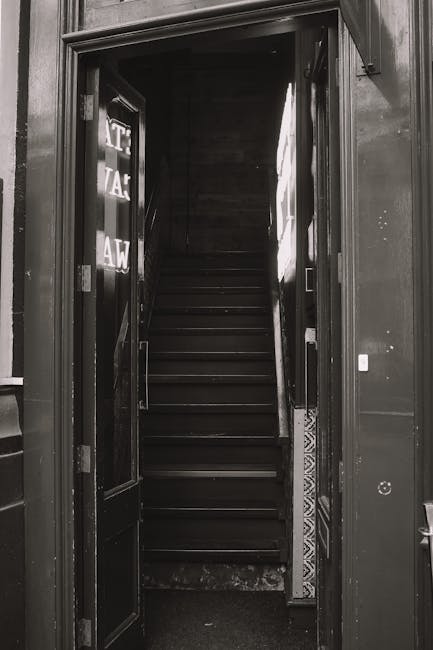
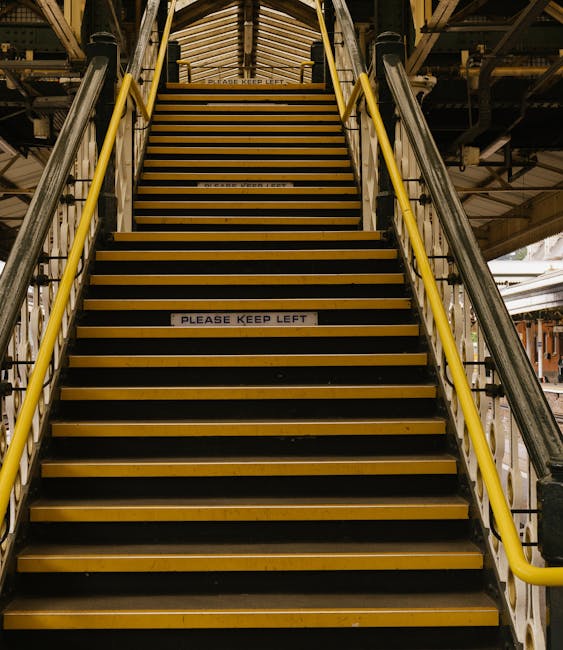
The process starts with a simple question: can the furniture physically get out, safely, without forcing, twisting, or rushing? That sounds obvious, but it is exactly where many people get caught out. A wardrobe that fits in the room may still be impossible to move through a narrow landing. A lift may be technically available but too small for a mattress, sofa, or fridge freezer. Even when items fit, the route from front door to van may involve multiple turns, steps, shared hallways, or a long walk from a side entrance.
A proper access review usually looks at:
- stair width and turning space on landings
- lift dimensions, weight limits, and door opening size
- parking distance from the entrance
- any steps, ramps, or tight corridors
- floor level, especially in blocks without lifts
- whether large items need dismantling
- the likely order of loading, so the heaviest items come out first or last in a sensible sequence
In practice, removals teams often need to make trade-offs. For example, they may split furniture into smaller parts, use additional protective wrapping, carry items in stages, or move some belongings to temporary storage before the final delivery. For smaller loads or awkward single-item jobs, a service like small removals can be a better fit than sending a large vehicle and crew that are more than the job needs.
There is also a difference between access that is awkward and access that is genuinely restrictive. Awkward access means the work is slower. Restrictive access means the route may require special handling, dismantling, or a different plan altogether. That distinction matters. It affects everything from packing to vehicle choice to the number of people needed on the day.
Key Benefits and Practical Advantages
Good access planning does not just protect the furniture. It protects the whole move. The benefits are practical, immediate, and honestly a bit underappreciated until you have done a few moves yourself.
- Less damage risk: careful planning reduces knocks on bannisters, chipped walls, scraped paint, and crushed corners on furniture.
- Faster loading and unloading: if the route is mapped properly, the team can work in a steady rhythm rather than stopping every five minutes to improvise.
- Better labour planning: the right number of movers can be assigned, which helps avoid under-resourcing or paying for more help than you need.
- More accurate quotes: good access details help providers estimate time and effort more realistically.
- Lower stress on the day: this one is big. When the route is clear, people stay calmer and the move feels under control.
- Better protection of shared areas: lifts, communal hallways, and stairwells stay in better condition when items are handled with a clear plan.
There is also a hidden benefit: planning makes it easier to decide whether storage is sensible. If access issues mean the move cannot happen in one clean sweep, temporary or longer-term storage may take the pressure off. For instance, short-term storage can help if the new property is not ready, while long-term storage makes sense if you are downsizing or stagger-moving belongings.
That kind of flexibility can make a chaotic move feel surprisingly manageable. Not glamorous, maybe, but manageable.
Who This Is For and When It Makes Sense
This topic is relevant to more people than you might think. It is not only for top-floor flats with tiny staircases. It affects anyone whose building layout adds friction to the move.
- Flat movers: especially in converted houses or blocks with narrow communal stairs.
- Families moving house: larger furniture, prams, bikes, and storage items can complicate access fast.
- Older residents downsizing: there may be lifting limits, time constraints, or a need for careful pacing.
- Students: shared buildings, no-lift accommodation, and tight move-in windows are common.
- Business clients: office furniture, filing cabinets, and equipment can be awkward in lifts and stairwells.
- Landlords and tenants: knowing access problems early helps avoid disputes and delays at check-out or move-in.
If you are moving a business or documents from an upper floor, it can help to combine removal planning with office removals or even document storage if you do not need every archive box on site immediately. For larger organisations, business storage can be a practical pressure valve when premises access is tight.
It makes sense whenever the move involves one or more of these: stairs, lifts, distance from the van, restricted parking, shared access, or bulky furniture that simply does not like turning corners. And let's be fair, most big furniture does not enjoy corners. It takes it personally.
Step-by-Step Guidance
If you want a smoother move, use the building itself as part of the plan. Here is a simple process that works well in real life.
- Measure the access route. Check stair width, landing space, lift size, and entrance clearance. Measure the awkward bits, not just the obvious ones.
- List the bulky items. Sofas, wardrobes, beds, tables, appliances, and desks usually cause the most trouble.
- Flag the problem pieces early. If something may need dismantling, say so before moving day.
- Decide what should be packed first. Boxes and loose items can often move before large furniture, which clears space.
- Check parking and loading. The shortest practical carrying route is usually best, even if it means a little extra preparation beforehand.
- Choose the right service mix. A move may need removal help plus packing support, storage, or a smaller van.
- Protect the building. Floor runners, door protection, and careful handling help preserve shared areas.
- Plan the unloading sequence. Heavy items, essentials, and fragile items should not all arrive in random order.
For many households, the difference between a stressful day and a steady one comes down to preparation. If packing feels like the bit that keeps slipping, packing services can remove a lot of pressure. It also helps if the move is local and the load is modest; a flexible man and van setup can be a good fit for properties with constrained access where a larger vehicle would simply be awkward.
A small but useful habit: take a few photos of the entrance, stairwell, lift, and parking area the day before. You will notice the overlooked details. The bin store in the way, the low ceiling in the basement, the lift mirror that makes the space look bigger than it is. That sort of thing.
Expert Tips for Better Results
Here are the things experienced movers tend to pay attention to, because they save time and damage later.
- Be brutally honest about access. If a sofa barely fits through your hallway when you carry it upright, say that.
- Measure lifts properly. Door width alone is not enough. Interior depth, height, and turning room matter too.
- Separate fragile and awkward items. Mirrors, glass tables, and large lamps are easier to handle when they are not mixed into a general pile.
- Dismantle early, not late. Waiting until moving morning often creates a rush.
- Keep the route clear. Shoes, plants, recycling bags, and random hallway clutter slow things down more than people expect.
- Book building access in advance where needed. Some blocks have time windows for lift use or loading. Check rather than assume.
- Use storage as a bridge, not a last resort. Sometimes the cleanest option is moving non-essentials out first.
Another underrated tip: keep a separate "first night" bag with chargers, medication, kettle items, toiletries, and a change of clothes. Sounds basic, but after a long day of stairs and doors and half-open boxes, basics feel like luxury. It really does.
For furniture-heavy moves, a dedicated storage option such as furniture storage can be useful when a room is too tight to stage items safely. If the move is a short gap between tenancies, secure storage adds peace of mind while you wait for keys, clearance, or decorating to finish.
Common Mistakes to Avoid
Most access problems become expensive only after they are ignored. That is the annoying part. Here are the mistakes that cause the most trouble.
- Assuming the lift will solve everything. Many lifts are too small for bulky items or too fragile to overuse.
- Forgetting about the turn on the landing. A straight staircase and a staircase with a tight bend are very different problems.
- Not checking parking restrictions. A good access route is pointless if the van is too far away.
- Leaving dismantling until the last minute. Beds and wardrobes often take longer than expected.
- Mixing all the items together. That causes loading confusion and slows the crew down.
- Underestimating shared-space etiquette. Communal areas need care, especially in apartment buildings.
- Choosing the wrong service level. A full house move is not always the best answer for one sofa and three boxes.
One more, and this comes up a lot: not warning the removals team about unusually heavy or oversized items. Exercise bikes, American-style fridge freezers, corner desks, and large wardrobes are common troublemakers. They look harmless in the room. Then you get them near the staircase and, well, the mood changes.
Tools, Resources and Recommendations
You do not need a workshop of specialist equipment to manage access problems well, but a few practical tools help a lot.
- Measuring tape: basic, but essential for doors, lifts, and hallways.
- Camera on your phone: ideal for documenting the route and spotting pinch points.
- Furniture blankets and wraps: useful for protecting items on tight turns.
- Labels and marker pens: simple packing labels reduce confusion during unloading.
- Basic screwdriver or hex key set: handy for dismantling beds and tables.
- Gloves with grip: not glamorous, but useful for careful handling.
For some moves, the most useful resource is not equipment but timing. If access is limited, an early start can help you avoid building traffic, busy corridors, and the rush of other residents using the same lift. Even 20 minutes can matter.
Where documents or office items are involved, it may be worth using office storage or self storage to stagger the move. That keeps the core route clear and reduces how many trips are needed on the day. For people moving out of student accommodation, student storage can be especially practical when term dates and access windows do not line up nicely.
Law, Compliance, Standards, or Best Practice
For removals with access issues, the key compliance point is simple: the work should be carried out safely and without avoidable risk to people or property. That means sensible manual handling, proper planning, and awareness of the environment. In the UK, removals operators are expected to work in line with normal health and safety practice, and building managers may have their own site rules for lifts, loading bays, and communal areas.
Best practice usually includes:
- carrying out a realistic access assessment before moving day
- using enough people for heavy or awkward items
- protecting floors, walls, doors, and lifts where appropriate
- avoiding overloading lifts or forcing oversized furniture
- communicating clearly with residents, building managers, or site staff
- checking insurance and safety arrangements before the move begins
If you want to understand how a provider approaches safety and responsibility, it is sensible to review pages such as health and safety policy and insurance and safety. For broader service terms and expectations, terms and conditions can also be useful. None of that is exciting reading, granted, but it is the kind of detail that matters when a stairwell is tight and there is a lot at stake.
If you are also thinking about the wider provider profile, pages like about us, pricing and quotes, and contact us help you check whether the service feels transparent and easy to work with.
Options, Methods, or Comparison Table
Different access challenges call for different solutions. A quick comparison helps make the choice clearer.
| Situation | Best approach | Why it works | Watch out for |
|---|---|---|---|
| Narrow staircase but manageable furniture | Standard removal plan with careful packing | Usually efficient and cost-effective | Turning points and wall protection |
| Tiny lift with bulky sofa or wardrobe | Dismantling plus protective wrapping | Makes oversized items easier to move | Assembly time at the destination |
| No lift and top-floor flat | Extra labour planning or staged move | Spreads the load and reduces strain | Time, fatigue, and stairwell congestion |
| Poor parking near entrance | Smaller vehicle or shuttle-style loading | Reduces carrying distance | Multiple trips may be needed |
| Move not fully ready at destination | Use short-term storage | Creates a buffer and removes pressure | Plan access for both collection and return |
There is no single perfect method. The right answer depends on the building, the furniture, and how much time you actually have. Sometimes it is worth paying for a more careful process. Sometimes a smaller, cleaner plan is all you need.
Case Study or Real-World Example
Here is a realistic scenario. A family in Hounslow is moving out of a third-floor flat with a narrow stairwell and a lift that is technically there, but not really suited to a big three-seat sofa. They also have a cot, two wardrobes, a dining table, and a few awkward storage boxes from the loft. The van can park nearby, but only for a short loading window. Not ideal.
Rather than trying to force everything through the building in one go, the move is broken into stages. The wardrobes are dismantled the evening before. Fragile items are packed separately. The sofa is measured and reassessed, then wrapped heavily and taken out via the stair route with a couple of experienced movers. A few non-essential boxes go into temporary storage for a week so the final delivery at the new property is less crowded. The team works steadily, nobody is racing the clock, and the landing does not end up looking like a battlefield.
The result? Less stress, fewer risky lifts, and a cleaner handover. The family still had a tiring day, because moving is moving, but it felt controlled. That is the goal. Controlled, not heroic.
For similar situations, especially where timing is tight or one property is not ready, removals and storage can be a very sensible combination. It allows the move to happen in a more measured way instead of forcing every item through a difficult route at once.
Practical Checklist
Use this checklist a day or two before the move. It is simple, but it catches a lot of problems early.
- Measure the widest and narrowest points of the access route
- Check the lift door, internal space, and any weight restrictions
- Identify furniture that may need dismantling
- Confirm parking distance and loading restrictions
- Clear hallways, landings, and entry points
- Protect floors and vulnerable surfaces where needed
- Label boxes by room and priority
- Separate fragile, valuable, and essential items
- Tell the removals team about awkward turns, low ceilings, or shared access
- Decide whether storage is needed for any items
- Keep keys, documents, and chargers somewhere easy to reach
- Have water and a quick snack ready; you will thank yourself later
Get a free quote today and see how much you can save.
Conclusion
Hounslow moves with narrow staircases and lifts are not unusual, and they do not have to become overwhelming. The trick is to plan the access properly, be honest about the awkward bits, and choose a removal setup that fits the building rather than fighting it. When you do that, the day feels calmer, safer, and much more predictable.
If you take one thing from this guide, let it be this: access is not a side detail. It is part of the move itself. Measure it, map it, and respect it, and you will avoid most of the pain points people tend to discover too late. And if the route still looks awkward? That is fine. There is usually a practical way through it.
Take a breath, make the plan, and keep moving forward. One step at a time.
Frequently Asked Questions
What counts as an access problem in a Hounslow removal?
Anything that makes lifting, carrying, or loading slower or riskier can count as an access problem. Common examples include narrow staircases, tiny lifts, long walks from the van, poor parking, low ceilings, and awkward turns on landings.
Should I measure the staircase or just the furniture?
You need both. Furniture measurements tell you what you are moving, but staircase and landing measurements tell you whether it can pass through safely. The turn is often the issue, not the straight run.
Can a lift solve most removals access problems?
Not always. Many lifts are too small for large sofas, wardrobes, or appliances, and some buildings limit what can be taken in the lift. A lift helps only if it is genuinely suitable for the item.
What if my sofa will not fit through the hallway?
It may need to be dismantled, rotated differently, or removed by a different route. In some cases, storage or a different removal plan is the safer option. Forcing it is usually the worst choice.
Is it worth using packing services for awkward access moves?
Yes, often. Good packing makes items easier to carry and protects edges during tight turns. If you have a lot of breakables or bulky furniture, packing services can take a lot of pressure off.
Do access problems increase removal costs?
They can, because they may require more labour, more time, or special handling. That said, early planning usually keeps costs more predictable than leaving the problem to the day itself.
What is the best option for a top-floor flat with no lift?
Usually it is a removal plan with enough people, careful loading order, and realistic timing. If there are lots of heavy items, adding storage or splitting the move may be smarter than trying to do everything in one push.
Should I tell the removals team about lift size in advance?
Absolutely. Lift dimensions, door width, and any restrictions can change the entire moving plan. This is one of those details that sounds minor until the wardrobe arrives at the lift and everybody goes quiet.
What if I only have a few items but access is awkward?
Then a smaller service such as small removals or a flexible vehicle option may be better than a full-scale move. It keeps the job proportionate to the problem.
Can storage help when the new property is not easy to access yet?
Yes. If the destination is not ready, or access is limited on move-in day, short-term storage can create a useful buffer. It makes the move less rushed and gives you more control.
What should I do if my building has strict moving rules?
Check the building requirements early, including time windows, lift booking, and loading rules. Then share them with your removals provider. Quietly ignoring the rules is rarely a good plan, and buildings have a habit of noticing.
How do I know whether I need removals and storage together?
If access is tight, timing is uncertain, or not everything is going to the new address immediately, combining the two can be sensible. A service like removals and storage works well when the move needs a little breathing room.