Hounslow Council Rules for Bulky Waste and Removals: A Practical Guide for Homeowners, Tenants and Local Businesses
If you are planning a clear-out, moving house, or staring at a sofa that simply will not fit through the door, understanding Hounslow council rules for bulky waste and removals can save you time, stress and a very awkward afternoon. The rules affect what you can leave out, what the council will take, what it will not touch, and when a private removal or storage solution makes more sense. This guide breaks it all down in plain English, with practical steps you can actually use.
To be fair, bulky waste is one of those things people only think about when it becomes a problem. Then suddenly it is a mattress in the hallway, a broken wardrobe in the rain, and a deadline looming. Let's make it simpler.
- Why Hounslow council rules matter
- How bulky waste collections and removals work
- Key benefits and practical advantages
- Who this is for and when it makes sense
- Step-by-step guidance
- Expert tips for better results
- Common mistakes to avoid
- Tools, resources and recommendations
- Law, compliance and best practice
- Options and comparison table
- Case study or real-world example
- Practical checklist
- Conclusion
- Frequently asked questions
Why Hounslow Council Rules for Bulky Waste and Removals Matters
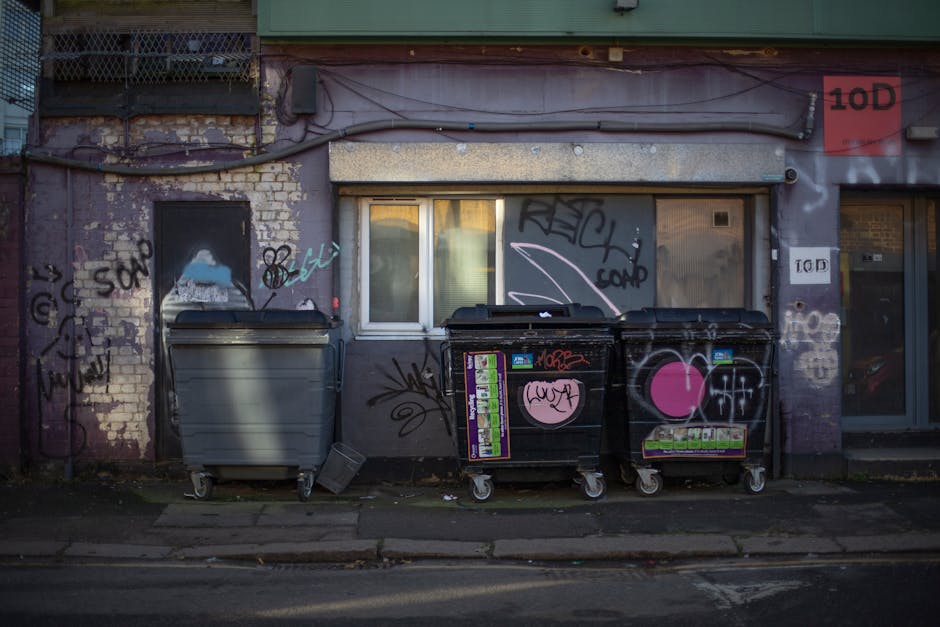
Bulky waste sounds straightforward, but councils tend to define it quite carefully. In everyday terms, it means larger household items that are too big for ordinary bins or regular collections. Think sofas, beds, wardrobes, tables, broken appliances, or other oversized items that need special handling.
In Hounslow, the rules matter for three big reasons. First, they help keep pavements, estates and shared spaces clear and safe. Second, they reduce the risk of fly-tipping, which is a real issue in busy London boroughs. Third, they help you choose the right route for disposal, because not every item should be put out for collection the same way.
If you are moving out of a flat in Hounslow, clearing a garage after years of accumulation, or replacing furniture before a new tenancy starts, the council route may be convenient. But it is not always the fastest. Sometimes a scheduled bulky waste collection works well; sometimes a private man and van or full removals service is the more practical choice. That distinction is where many people save themselves a headache.
Practical takeaway: if an item is large, heavy, awkward, or hard to move without damaging walls, lifts or stairwells, check the council route first, but do not assume it is the best option for a move day.
There is also a hidden benefit here: understanding the rules before you start moving means you can plan around waste, storage and removal together. That often leads to fewer last-minute costs, fewer missed deadlines, and fewer "where does this even go?" moments.
How Hounslow Council Rules for Bulky Waste and Removals Works
The exact council process can change over time, so the safest approach is to treat Hounslow's service rules as the current authority for booking, accepted items, limits and any charges. In general, the process for bulky waste follows a fairly familiar pattern across UK councils.
Usually, you identify the items you want removed, check whether they are accepted, arrange a collection, and place the items out in the right place and by the right time. Some items may need to be separated or prepared in a specific way. For example, a mattress may be collected differently from a fridge or a dismantled wardrobe. That is not fussy for the sake of it; it is about safe handling and recycling routes.
Here is the practical side. Council bulky waste collections are typically best suited to items that are ready to go and do not require deep dismantling, specialist lifting, or complex sorting. If you have mixed loads, renovation debris, or furniture that still contains personal possessions, the job gets messy quickly. Very quickly, in fact.
In contrast, a private removal service may collect more flexibly, handle stairwells and parking constraints better, and combine removals with onward storage. If you are between homes, that can be a lifesaver. A short-term solution like short-term storage or mobile self storage can also reduce pressure if you are not ready to part with everything.
The best approach is to separate your load into three categories:
- Leave with the council: clean, accepted bulky household items that are ready for collection.
- Move with a private service: items that are awkward, urgent, or part of a full house move.
- Store first: furniture or boxes you want to keep but cannot fit into the new property yet.
That simple sorting exercise can save a great deal of back-and-forth.
Key Benefits and Practical Advantages
Getting the rules right is not just about compliance. It gives you better control over the move itself. And when you are already juggling keys, letting agents, packing tape and a very stubborn wardrobe, control is worth a lot.
- Less risk of fines or refused collections: following the rules reduces the chance of items being left behind.
- Better timing: you can plan around collection dates and moving dates more cleanly.
- Cleaner property handover: especially useful for tenants ending a tenancy or sellers preparing for completion.
- Safer handling: fewer injuries from trying to drag heavy furniture down stairs on your own.
- More efficient sorting: you can decide what to keep, donate, store or remove.
There is also a sustainability angle. Responsible disposal and reuse matter, particularly where items can be repaired, recycled, or safely passed on rather than dumped. If that matters to you, you may want to look at recycling and sustainability principles when deciding what to do with bulky items.
Another practical advantage is flexibility. For example, if you are downsizing from a family house to a flat, you may not yet know whether a dining table will fit. Rather than disposing of it too quickly, you could use furniture storage or broader household storage until the new space is settled. That tiny pause can stop a perfectly good item being lost forever.
Who This Is For and When It Makes Sense
This topic is not only for homeowners with too much old furniture. It is relevant to a wide mix of people and situations across Hounslow.
Typical people who need bulky waste guidance
- Tenants preparing for end-of-tenancy handover
- Homeowners clearing lofts, sheds or garages
- Families replacing old beds, wardrobes and sofas
- Students moving in or out of shared accommodation
- Landlords and letting agents dealing with abandoned furniture
- Small businesses replacing office furniture or old stock fixtures
It also matters if you are moving within London and need to keep the process tidy. A local move often comes with odd timing, parking pressure and narrow access. A service such as local removals can be useful when the council option is not quite enough, especially if you need the items gone at a precise time.
When does council bulky waste collection make the most sense? Usually when you have a small number of accepted items, enough time to book ahead, and a clear place for collection. When does it start to feel awkward? When you have multiple rooms to clear, delicate furniture, or a moving day that is already stretching you thin. That is the moment to step back and think practically, not emotionally. Easier said than done, I know.
Business users have their own version of this problem. Office desks, filing units and broken chairs are bulky too, and they often need a different plan from domestic waste. In those cases, office removals or business storage may be the smarter route, especially if items still have reuse value.
Step-by-Step Guidance
If you want a straightforward way to deal with bulky waste in Hounslow, this is the order I would suggest. It keeps things calm and avoids the frantic "what are we doing with this?" stage at the end.
- List every bulky item. Walk through the property and write down what needs to go. Be honest. That rusty shelf in the shed counts.
- Separate keep, store, recycle and remove. Do not mix everything together. The more you mix, the harder it gets.
- Check whether the item is likely to be accepted. Large household items are often fine; hazardous, construction-related, or specialist waste may not be.
- Decide whether council collection is enough. If the item is ready and accessible, council collection may work. If not, consider private removal.
- Prepare items safely. Dismantle where appropriate, remove loose contents, and make access clear.
- Confirm timing and placement. Make sure items go out only when required and where collection crews can reach them safely.
- Use storage for anything undecided. If you are unsure whether to keep it, do not rush. Put it into self storage or another suitable storage option and decide later.
A small real-world example: a couple moving from a family house in Hounslow often finds that the dining set, a spare sofa and two wardrobes are the issue, not the boxes. The boxes are easy. It is the furniture that eats your time. In that sort of move, a blend of removal help and storage is often calmer than trying to solve everything through one bulky waste collection.
If you need packing support before anything is moved, a good packing services option can also reduce breakages and save your back. Honestly, your shoulders will thank you the next day.
Expert Tips for Better Results
The best bulky waste jobs are the boring ones. Everything listed, everything separated, nothing left to chance. Sounds simple, but in practice, that is where the win is.
- Measure before you move. If an item needs to go through a narrow stairwell, check the route first. Old London houses can be a bit of a puzzle.
- Photograph items before disposal. This helps if you need to show condition, identify damage, or coordinate with a landlord.
- Keep screws, shelves and fittings together. Put them in a labelled bag taped to the item if you are dismantling furniture.
- Do not leave collections to the last minute. A couple of days can make the difference between a calm handover and a panicked one.
- Combine removal and storage if needed. If you are moving in stages, a service like removals and storage can save repeated loading and unloading.
One thing people often overlook is access. On paper, a collection looks easy. In the real world, there may be a parked car outside, a locked gate, a basement flat, or a neighbour who has placed bins in the way. It happens. More than people admit, actually.
Another quiet tip: if an item has resale or reuse value, consider storing it briefly rather than dumping it under pressure. A decent chair or spare bed can be useful later, and if not, you have still bought yourself time to make a smarter decision.
Common Mistakes to Avoid
Most bulky waste problems are not caused by bad intentions. They happen because people are rushed, tired, or assuming the rules are looser than they really are. A few errors crop up again and again.
- Putting items out too early. This can cause obstruction and complaints from neighbours.
- Leaving loose contents inside furniture. Drawers, cushions and hidden items slow everything down.
- Mixing accepted and non-accepted waste. One wrong item can complicate the whole load.
- Assuming every large item can be collected the same way. Some items need separate handling.
- Forgetting about access constraints. Narrow stairs, parking limits and shared entrances matter a lot.
- Relying on the council for a moving-day crunch. That is sometimes fine, but often risky if your date is fixed.
Also, do not forget the storage decision. People often dispose of things too quickly because they are under pressure, then end up buying them again three months later. Painful, and not in a dramatic way-just expensive and annoying.
Tools, Resources and Recommendations
You do not need fancy equipment to handle bulky waste well, but a few simple tools help enormously. A tape measure, sturdy gloves, furniture sliders, packing tape, bin bags, and labels can make a messy job feel manageable.
For larger moves, especially flats or shared houses, use a simple room-by-room inventory. It can be a spreadsheet, a notes app, or even paper on the kitchen table at 8pm with a mug of tea gone cold beside it. The format matters less than the habit.
When you want to keep items but just cannot house them yet, use the storage options that match your timeline:
- short-term storage for temporary gaps between addresses
- long-term storage for extended changes or slower life admin
- small removals for lighter, targeted jobs
- flat removals when stair access and tight spaces are part of the picture
If security matters, which it often does during a move, choose a storage option that feels genuinely protected and well-managed. You can also review secure storage for extra peace of mind. For anyone handling valuables, documents or business material, that reassurance is not a small thing.
One more useful habit: check your own paperwork and move records before throwing away filing boxes. If you are a business or freelancer, consider document storage for items that should not be mixed into the bulky waste pile at all.
Law, Compliance, Standards, or Best Practice
For bulky waste, the main compliance issue is usually not complex law so much as proper disposal and responsible handling. In the UK, you should avoid leaving waste in a way that creates obstruction, nuisance, or unsafe conditions. You should also be careful not to hand waste to anyone who cannot show they are legitimate and properly handling disposal. That is a common source of fly-tipping problems.
Best practice is simple:
- Use lawful disposal routes only.
- Separate hazardous or specialist items from ordinary bulky waste.
- Keep proof of collection or service details where appropriate.
- Follow building, landlord, or estate rules if you live in shared accommodation.
- Consider health and safety when lifting, carrying and stacking items.
That last point matters more than people think. Large furniture and white goods can cause back injuries, scratched walls and broken flooring very quickly. A careful lift is better than a heroic one. And yes, the heroic one usually loses.
For moving work, it is also sensible to look at the service provider's own standards around safety, access, insurance and handling. If you are comparing options, a page like insurance and safety can help you think through what reassurance you need before booking anything.
Where the rules feel unclear, the safest approach is to pause and clarify. That is not indecisive. It is sensible.
Options, Methods, or Comparison Table
Different bulky waste scenarios call for different solutions. Here is a plain comparison that reflects the real choices most people in Hounslow end up making.
| Option | Best for | Strengths | Limitations |
|---|---|---|---|
| Council bulky waste collection | Accepted household items, planned clear-outs | Convenient, structured, suitable for simple jobs | May have booking rules, item limits, and access requirements |
| Private removals | Urgent, large, awkward, or multi-item clearances | Flexible timing, more hands-on support, better for moving day | Usually more expensive than a basic council collection |
| Storage first | Items you may keep, resell or reuse later | Reduces pressure and avoids rash disposal | Requires an extra step and ongoing cost |
| Mixed removals and storage | Moves with uncertain furniture decisions | Very practical for staged moves and downsizing | Needs planning and clear item lists |
There is no one "best" route for everyone. If you have one broken bed frame, the council might be ideal. If you are emptying a four-bedroom house before completion, a more flexible removal plan will usually be better. Straightforward, really.
Case Study or Real-World Example
A typical Hounslow scenario goes like this. A family is moving from a semi-detached house to a smaller flat. They have three wardrobes, a sofa that has seen better days, a mattress, garden bits, and several boxes of items they are not ready to part with. The move date is fixed. The new flat has narrower access. Timing is tight.
They first separate what is definitely going, what might be kept, and what needs to stay in storage for a bit. The sofa and damaged wardrobe are clear bulky waste. The mattress is checked separately because it may need special handling. The dining table is not thrown away after all, because it fits the new place if the chairs are removed. That one decision saves them a replacement cost later.
The family then books the simpler bulky items for disposal and uses storage for the items they are still unsure about. A house removals service helps move the rest in one go, and the property is handed over cleanly. No frantic last-minute trip to a tip. No arguing in the rain about who is carrying the wardrobe base. Just a calmer move.
This kind of staged approach is often the difference between a chaotic clear-out and a move that feels under control. Not glamorous, but effective.
Practical Checklist
Use this checklist before you book, move, or dispose of anything bulky.
- Have I listed every bulky item room by room?
- Do I know which items are accepted and which may need a different route?
- Have I removed contents, drawers, loose parts and personal items?
- Do I know whether anything should be stored instead of disposed of?
- Have I measured access points, stairs, corridors and doorways?
- Is the collection or removal date aligned with my move or tenancy date?
- Have I kept anything valuable, sentimental or reusable out of the waste pile?
- Do I have the right help for lifting and carrying heavy items?
- Have I checked building, landlord or estate rules if I live in shared accommodation?
- Do I have a backup plan if the collection timing changes?
If you can tick most of these, you are in good shape. If not, no drama-just slow down and sort the list properly.
Get a free quote today and see how much you can save.
Conclusion
Hounslow council rules for bulky waste and removals are really about making a practical decision at the right time. If you have a small number of accepted items and a clear collection setup, the council route may be all you need. If you are moving house, clearing a flat, handling office furniture, or trying not to throw away something you may need later, a private removal or storage option can be the better fit.
The real trick is to think in stages: what must go now, what can wait, and what should be handled differently because it is too awkward, too valuable, or too time-sensitive for a standard collection. That mindset keeps you from overpaying, overloading, or making avoidable mistakes.
And if all of this still feels a bit much, that is normal. Most people only deal with bulky waste properly a handful of times in their lives. A calm plan, a measured approach, and the right support go a long way. One step at a time. Really, that is enough.
Frequently Asked Questions
What counts as bulky waste in Hounslow?
Bulky waste usually means large household items that do not fit into normal bins, such as sofas, beds, wardrobes, tables, and some appliances. The exact accepted list can vary, so it is best to check before you book anything.
Can I leave bulky items outside for collection?
Only if the collection instructions say you should. Items placed out too early can cause obstruction, nuisance, or complaints. Timing matters more than people think.
Do I need to dismantle furniture before disposal?
Not always, but dismantling can make collection safer and easier. If an item is too large to move through tight access, taking it apart may help. Keep screws and fittings together so nothing gets lost.
Is council bulky waste collection better than a removals company?
It depends on the job. Council collection can suit a small number of accepted items, while a removals company is often better for urgent, heavy, awkward or time-sensitive clear-outs. If you are moving, private support is often more flexible.
What should I do with furniture I might want later?
Do not rush to dispose of it. Put it into storage and decide later. A brief delay is often cheaper than replacing something you only regretted throwing away after the move.
Can bulky waste be collected from a flat or upper floor?
Sometimes yes, but access rules can be stricter. Stairs, lifts, parking and building layouts all affect collection. If access is awkward, a private removal service may be more practical.
What if I have mixed rubbish, not just furniture?
Mixed loads can be more complicated. Ordinary bulky household items are one thing, but renovation waste, hazardous items, or specialist materials may need separate disposal arrangements.
How far in advance should I plan bulky waste removal?
As early as you can, especially if your move date is fixed. Last-minute planning is when problems pile up. A few days' extra margin can make a surprising difference.
What happens if I put the wrong item out?
The item may be refused, delayed, or left behind. In some situations, you may need to arrange a different disposal route. That is why sorting before collection is so useful.
Can businesses in Hounslow use the same approach for bulky waste?
Not always. Business furniture, office storage items, and documents often need a more tailored approach. For office clearances, office storage and office removals can be better fits than a simple household bulky waste plan.
What is the safest way to handle heavy items at home?
Use proper lifting technique, clear the route, wear sensible footwear, and get help where needed. If an item is too heavy or awkward, stop. That is the moment to use professional support rather than test your back for no reason.
How do I choose between storage and disposal?
Ask yourself whether the item still has value, usefulness, or resale potential. If yes, storage may be worth it. If it is damaged, unwanted, or unlikely to be used again, disposal is probably the right call. Simple, but effective.